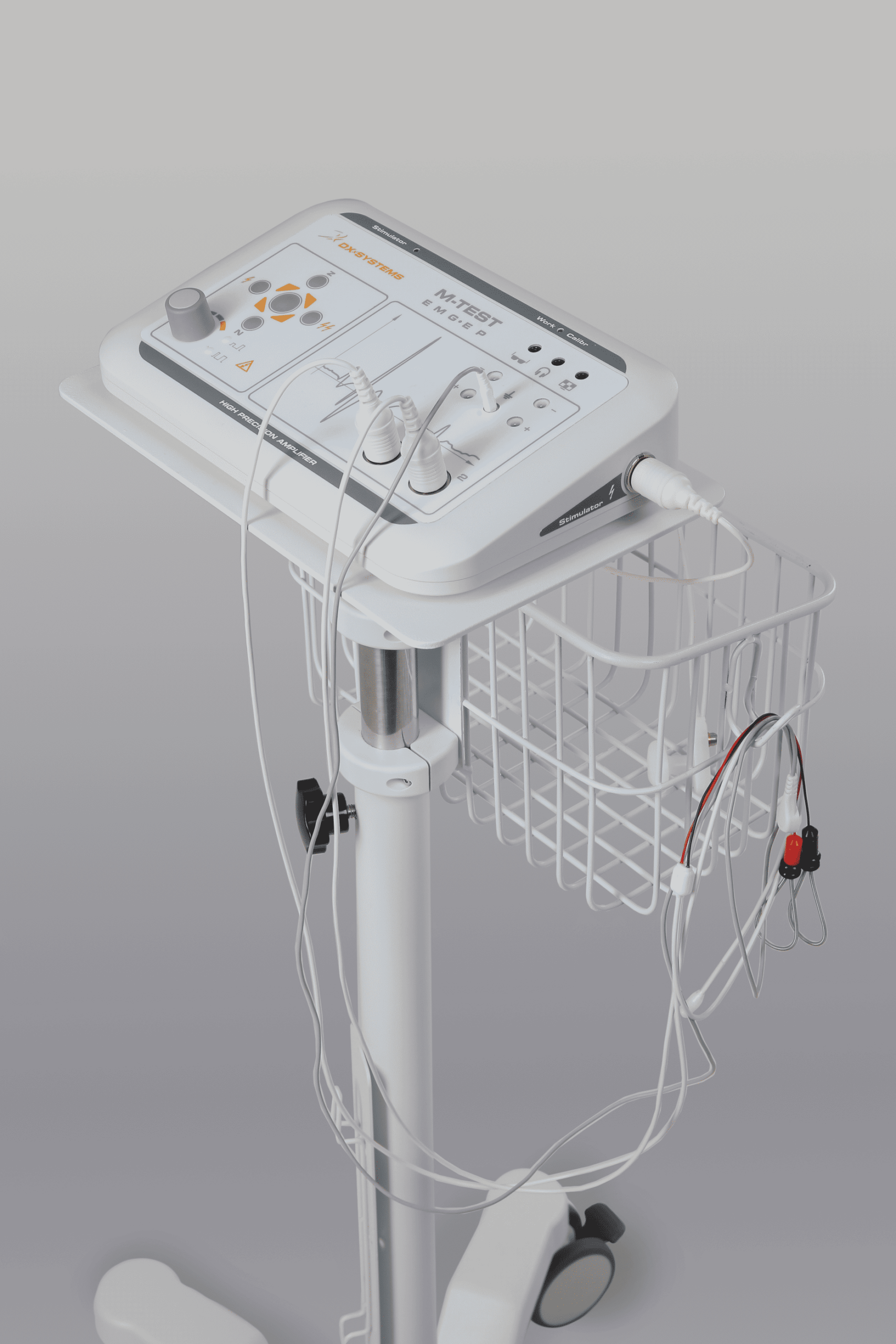
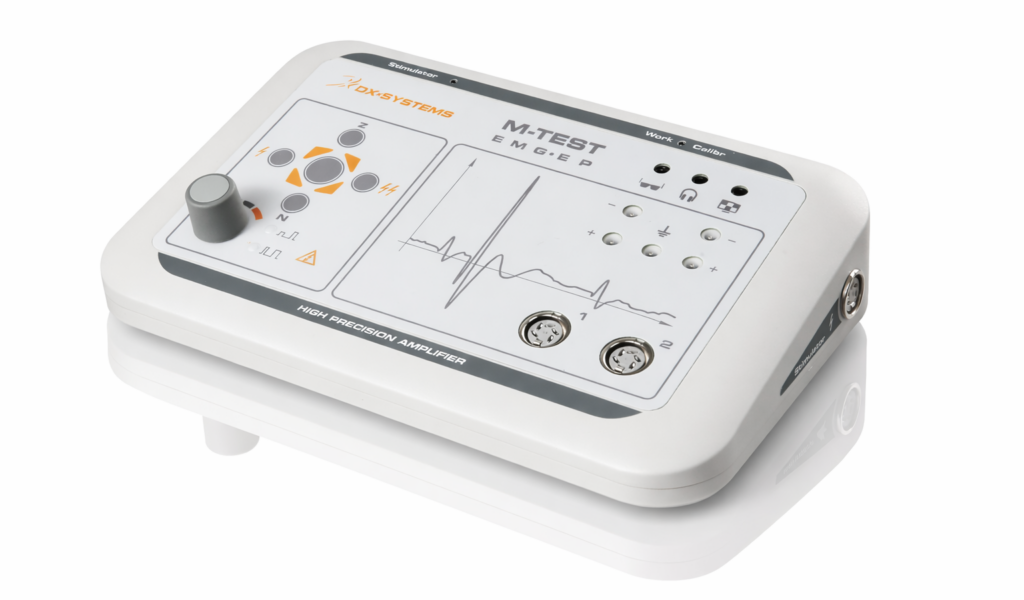
A reliable device from the manufacturer with support throughout its entire period of use
Free delivery and installation
24 months official warranty
Premium quality for professional use
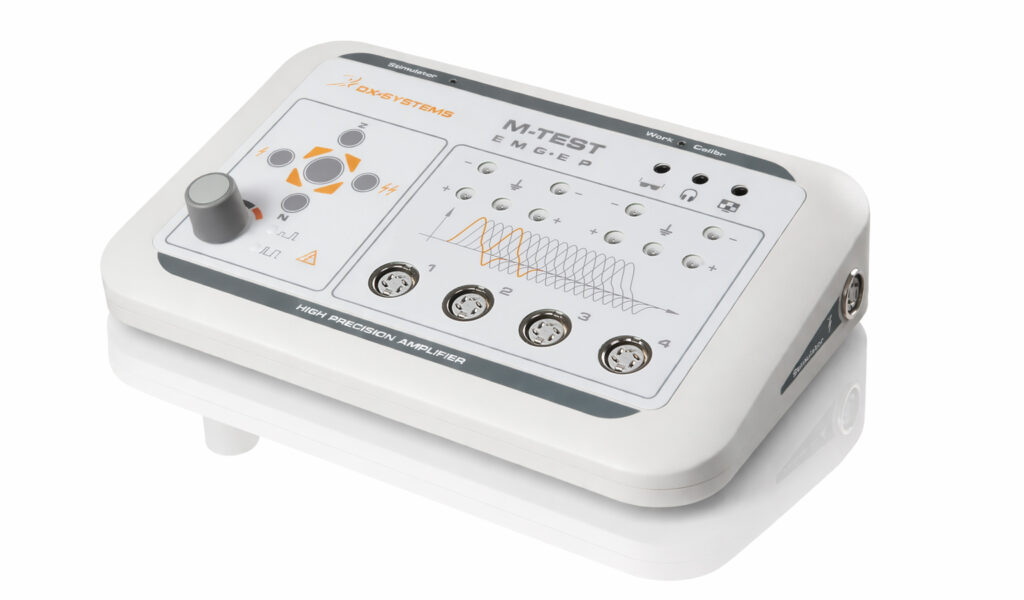
Comprehensive Solution for Neuro-Muscular Diagnostics A versatile system for evaluating the neuromuscular system through the recording of muscle and peripheral nerve electrical potentials.
Designed for use in neurology, surgery, rehabilitation, sports medicine, and clinical research.
Capability to monitor multiple muscles and nerves simultaneously
Comparative assessment of muscle function
Assessment of auditory/visual/cognitive function
Models & Configurations:
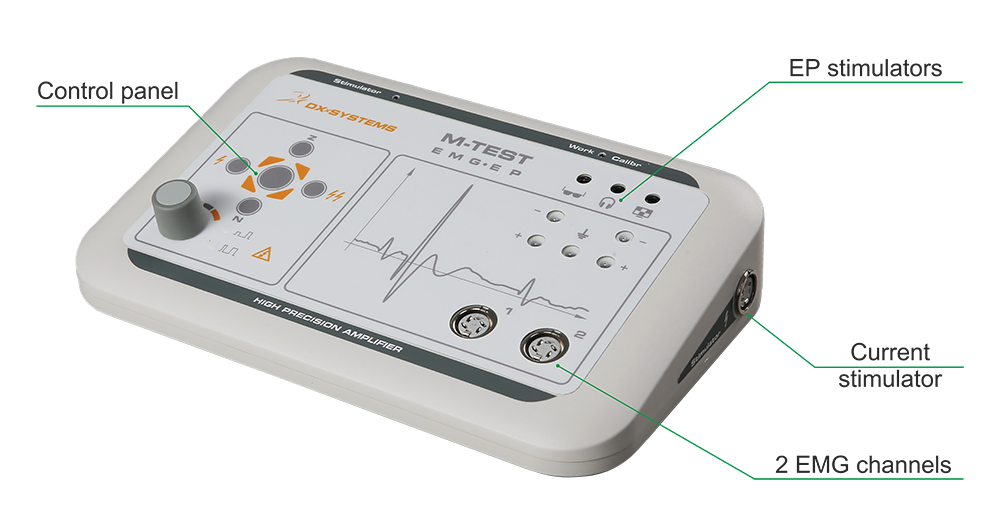
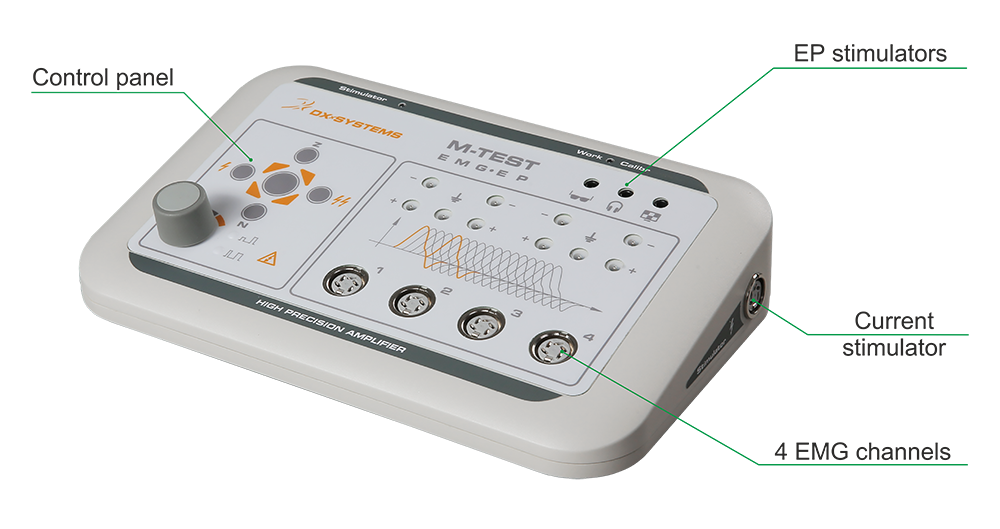
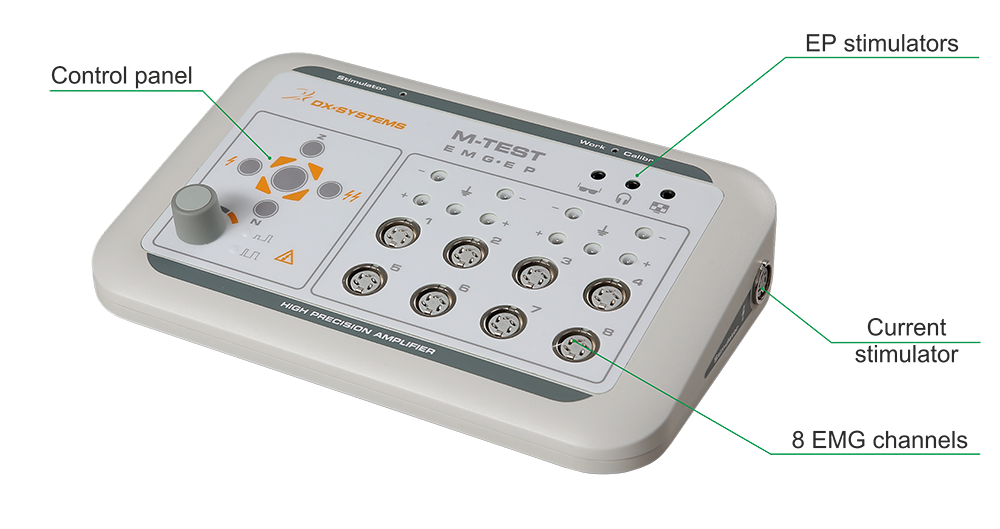
2 / 4 / 8 acquisition channels
Integrated current stimulator
Intuitive controls with LED indicators
Portable and ergonomic design
Power Bank support for challenging environments
Functionality:
Broad range of EMG and NCS methodologies
Structured patient database with easy access to studies and reports
Direct access to key functions via device panel, footswitch or keyboard
Predefined test templates for routine workflows
Real-time signal filtering with adjustable parameters
Stimulation artifact suppression
Clinically norm‑based automated reporting
Flexible reporting options
Automatic and manual software update checks
Safety & Compliance:
CE certified, conforming to European safety standards and the Medical Device Technical Regulation
Designed for reliable, efficient, and user-friendly operation.
🟠 Surface EMG – general assessment of muscle electrical activity.
🟠Stimulation EMG (Nerve Conduction Studies) –
neurophysiological assessment of sensory pathways, cognitive brain responses, and selected autonomic nervous system functions.
Methods:
Motor / Sensory NCS
F-wave
H-reflex
Blink reflex
M-wave decrement test
Repetitive nerve stimulation
Inching test
Magnetic stimulation
🟠Needle EMG – precise local diagnostics of muscle activity.
Methods:
Spontaneous activity
Motor unit potentials
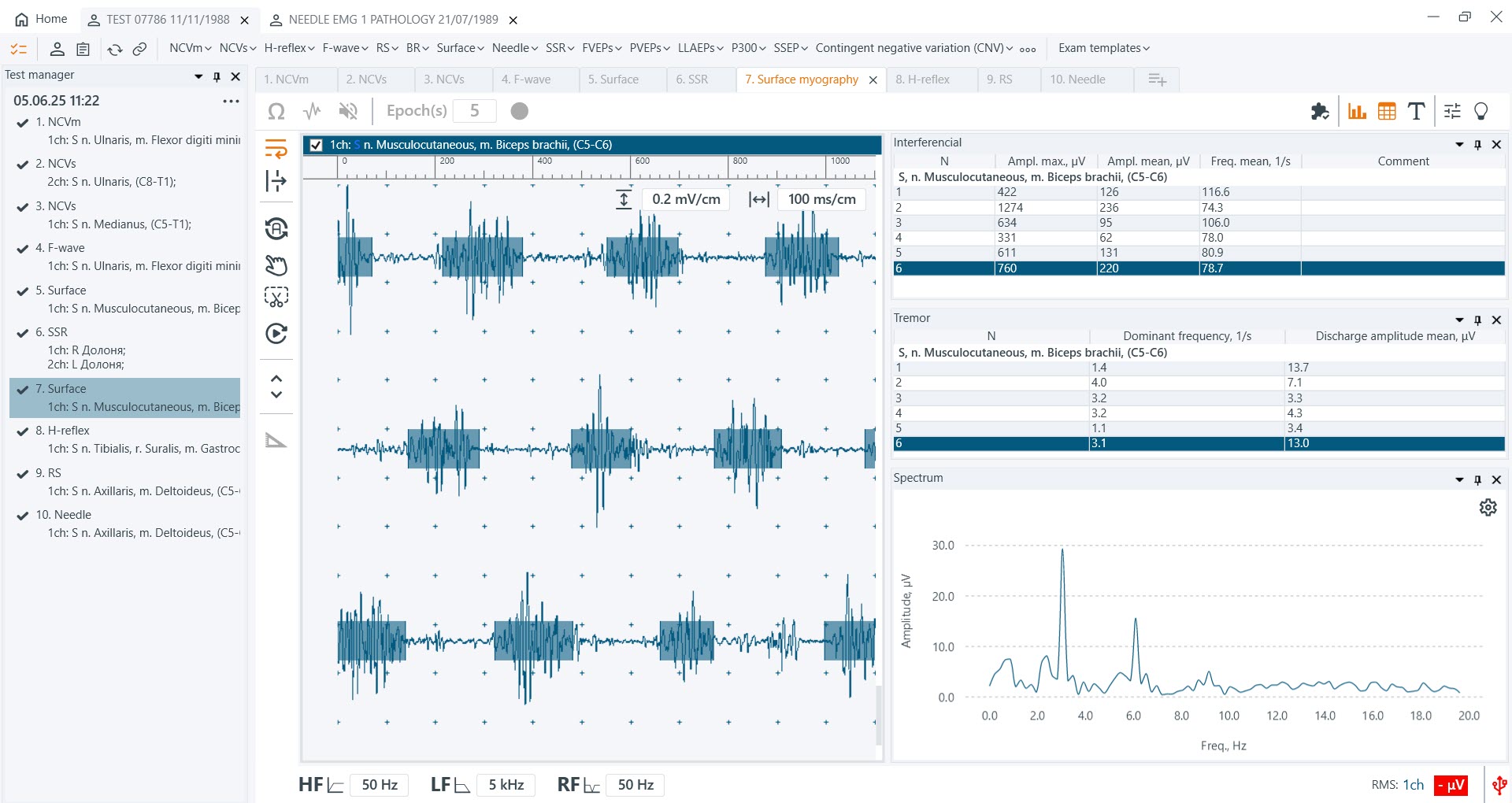
Interference pattern analysis
🟠Evoked Potentials (EPs) – evaluation of sensory, cognitive, and autonomic functions
Methods:
Somatosensory EPs (SSEPs)
Visual EPs (flash, pattern)
Auditory EPs (BAEP, long-latency)
Cognitive EPs: P300, CNV
Autonomic skin response (SSR)
Base set:
Hardware unit
Software suite
Set of electrodes and accessories
Technical documentation
Optional Set:
Evoked Potentials – enables advanced EP testing modes
Convenience & Mobility Solutions:
Mobile cart / desktop mount / portable workstation table
Carrying case for device, laptop, and accessories
Model
EMG
channels
Equipment set
M-TEST ONE-8
8
Base
M-TEST ONE-8 EP
8
Base + evoked potentials: short-latency somatosensory, long-latency auditory and visual, cognitive
M-TEST ONE-4 EP
4
Base
M-TEST ONE-4 EP
4
Base + evoked potentials: short-latency somatosensory, long-latency auditory and visual, cognitive
M-TEST ONE-2
2
Base
M-TEST ONE-2 EP
2
Base + evoked potentials: short-latency somatosensory, long-latency auditory and visual, cognitive
Parameter
Value
Number of EMG channels
2 / 4 / 8
Input signal range
10 – 60,000 µV
Input impedance
≥ 100 MΩ
Equivalent input noise voltage of the complexes – EMG channels – EP channels in the frequency range up to 100 Hz – EP channels in the frequency range up to 3 kHz
≤ 5 µV ≤ 1 µV ≤ 5 µV
Sampling rate
16000 Hz
Frequency range
0.2 Hz – 3.0 kHz
Low-frequency cutoff time constant
≥ 1.0 s
Attenuation coefficient of the common-mode signal at a frequency of 50 Hz
The main parameters of surface interference EMG include the frequency characteristics of muscle electrical activity, maximum signal amplitude, and average signal amplitude. In orthopedic dentistry, additional analysis of chewing tests is performed. In pain research, the assessment of voluntary muscle activity is commonly used.
Stimulation EMG
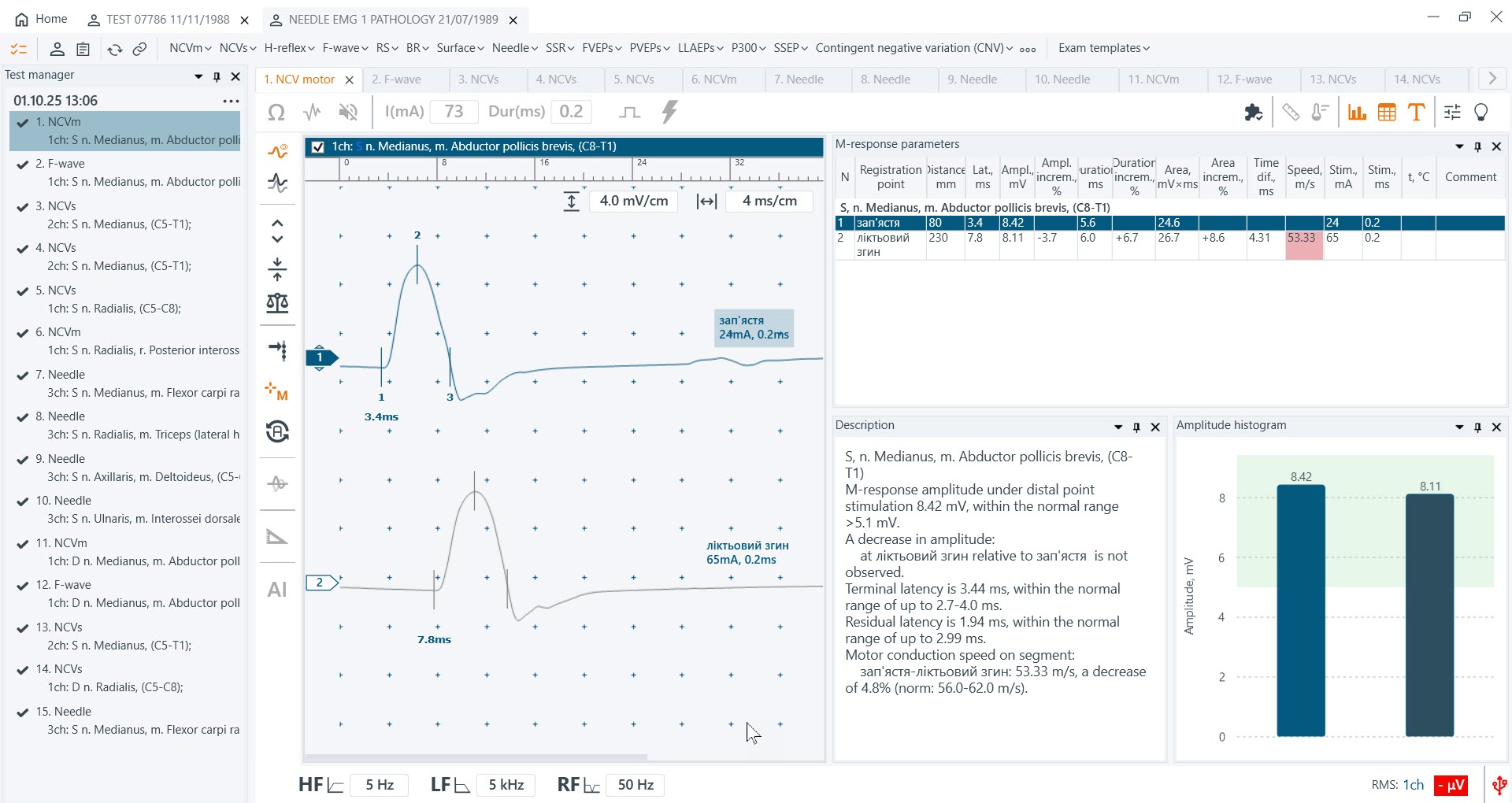
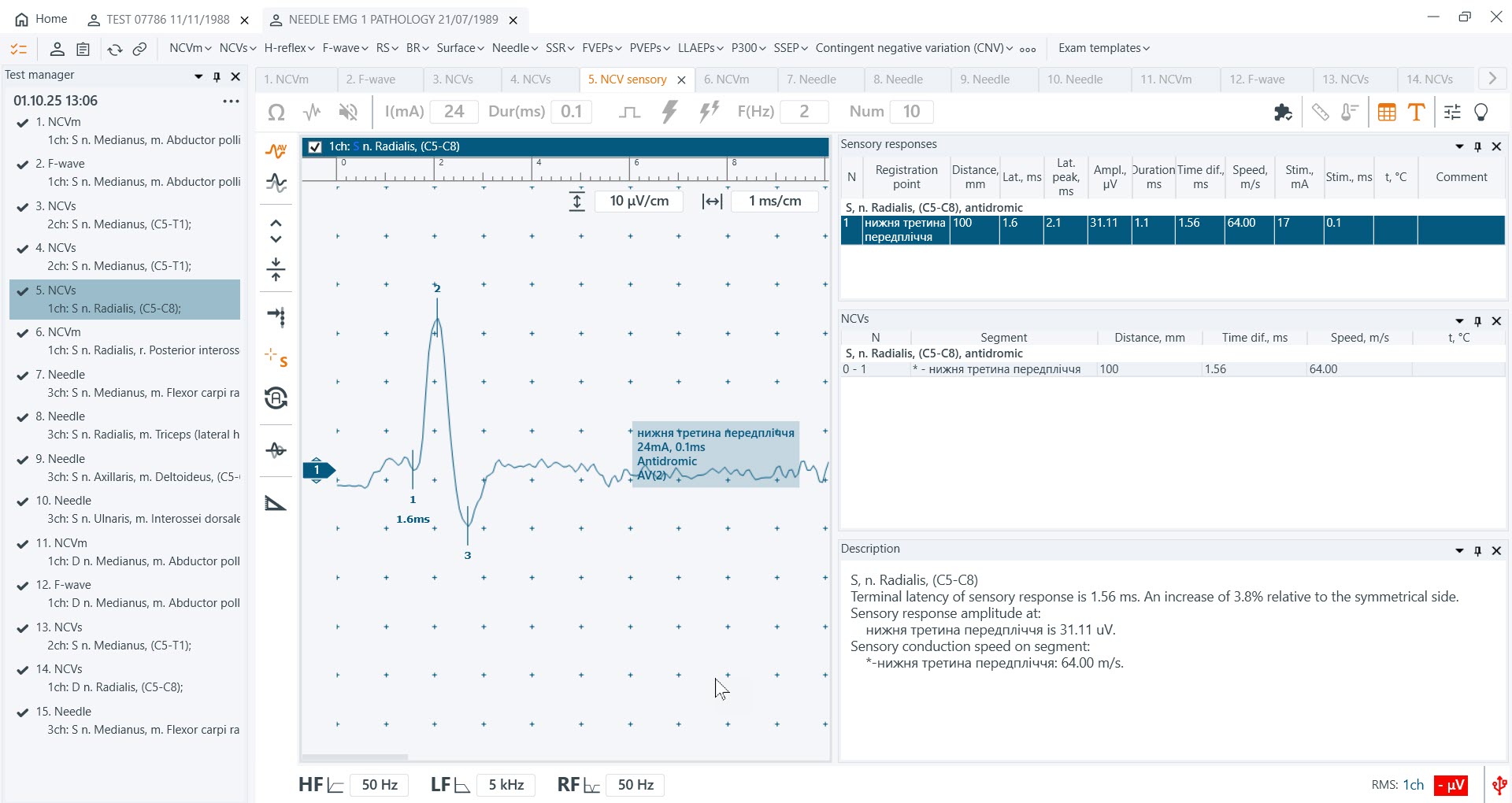
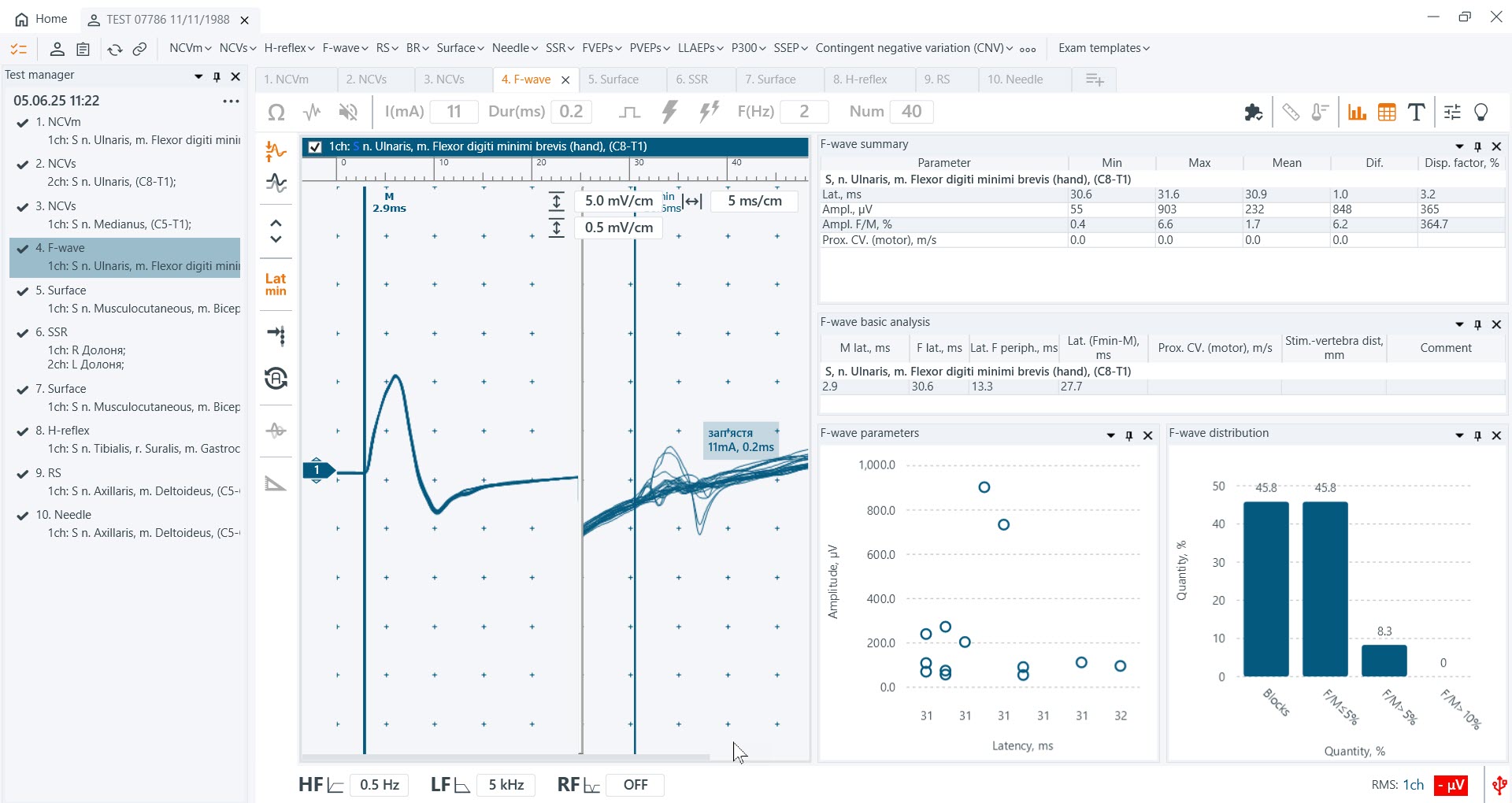
The use of current stimulation ensures high accuracy in the assessment of nerve conduction. Muscle responses or electrical activity are recorded using current stimuli of precisely controlled duration and amplitude. Early responses (M-response) or late responses (F-wave, blink reflex, H-reflex) allow for the determination of the level and localization of lesions in the peripheral neuromotor system. Sensory and motor fibers can be assessed separately by measuring sensory and motor conduction velocities. Therefore, this group includes the basic methods applied in the differential diagnosis of neuromuscular disorders.
A specific type of stimulation response assessment involves rhythmic stimulation. The decrement test is performed to evaluate the reliability of neuromuscular transmission. Tetanic stimulation and pharmacological loading tests can be used to identify myasthenia gravis and Lambert-Eaton myasthenic syndrome.
Needle EMG
Needle electromyography (local EMG) assesses the functional state of muscles at rest and under voluntary load. Needle EMG are particularly informative in primary muscle diseases and differ from those observed in nervous system disorders. Based on the results of a comprehensive ENMG study, the level of peripheral neuromotor system involvement, as well as the nature, severity, and extent of the pathological process can be determined; repeated examinations also allow for the assessment of treatment effectiveness.
Methods for recording evoked potentials differ significantly from other studies conducted within EMG.
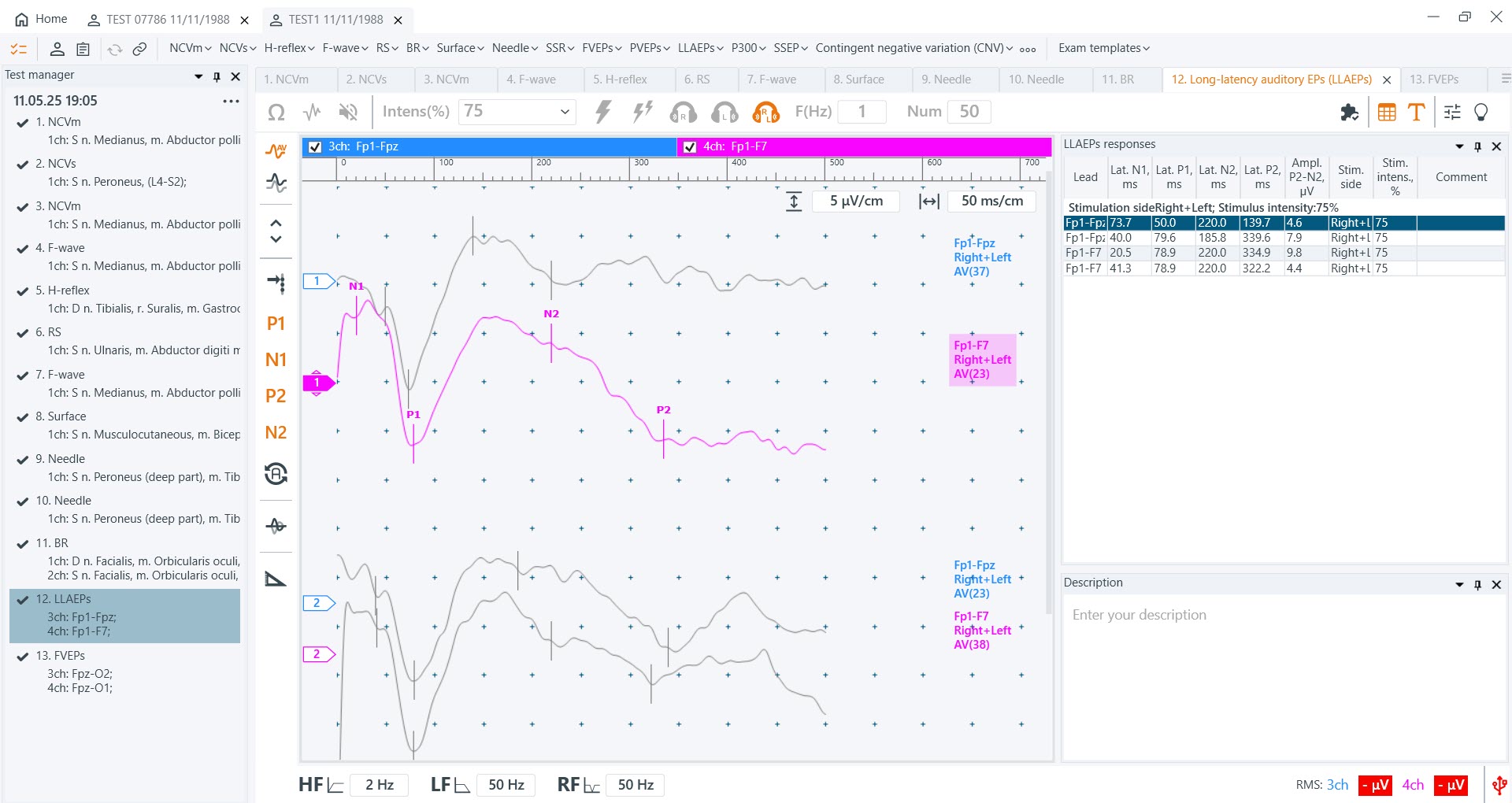
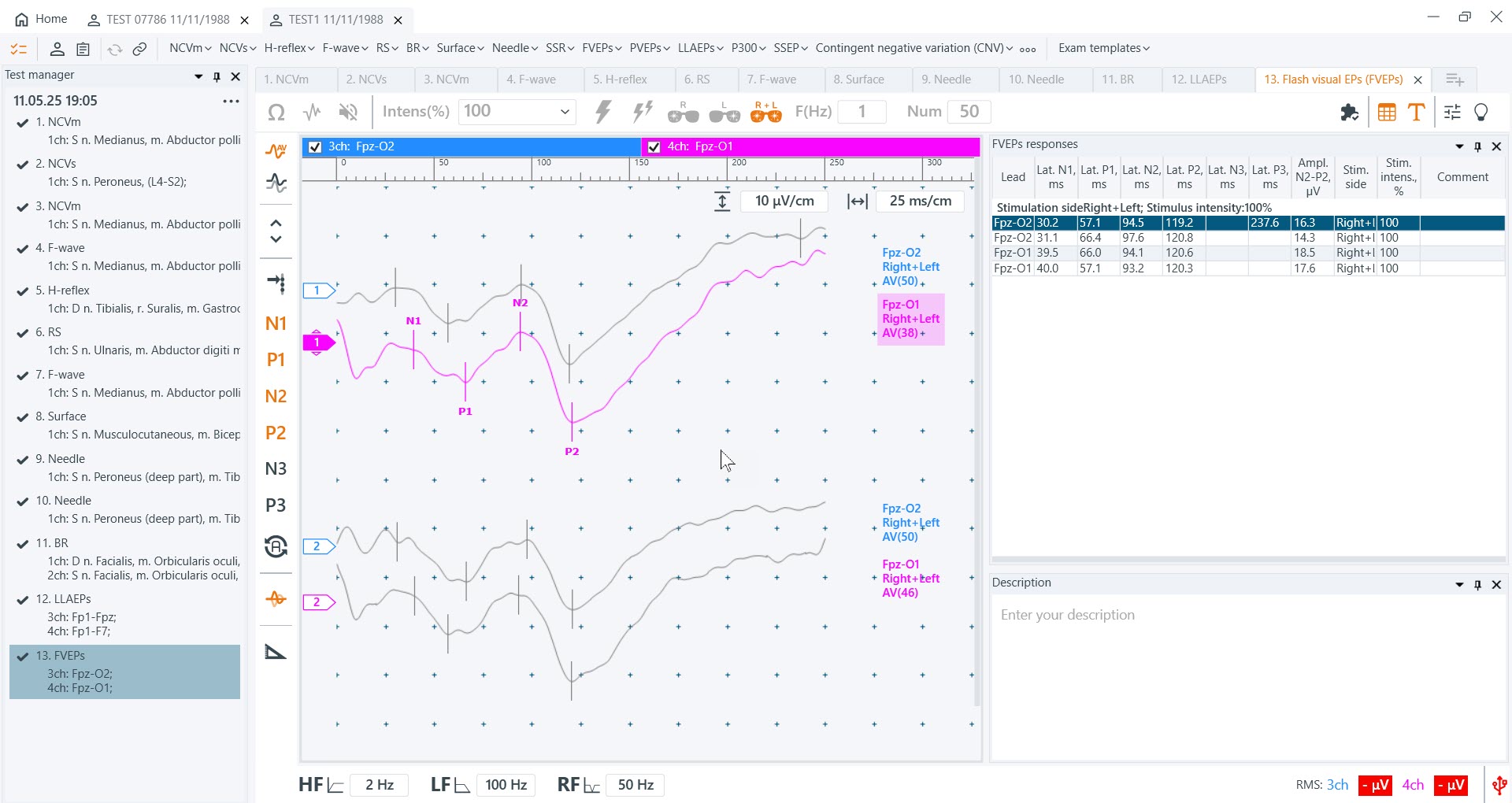
They address specific tasks. Visual evoked potentials can be used to confirm damage to the visual tract, while auditory evoked potentials are used to assess hearing and the function of nerve pathways from the ear to the brain, helping detect even hidden disorders at early stages. These types of EPs may be sensitive to dysfunctions that cannot be identified through physical examinations or MRI alone.
Somatosensory evoked potentials are often used in neuromonitoring to assess spinal cord function during surgery.
Galvanic skin response serves as an indicator of autonomic nervous system activity.
The “M-TEST” software enables convenient work with databases. In addition to all patient information, recorded electromyograms, and their processed results, it provides a full set of tools for efficient management of electronic patient records and large-volume data archives.
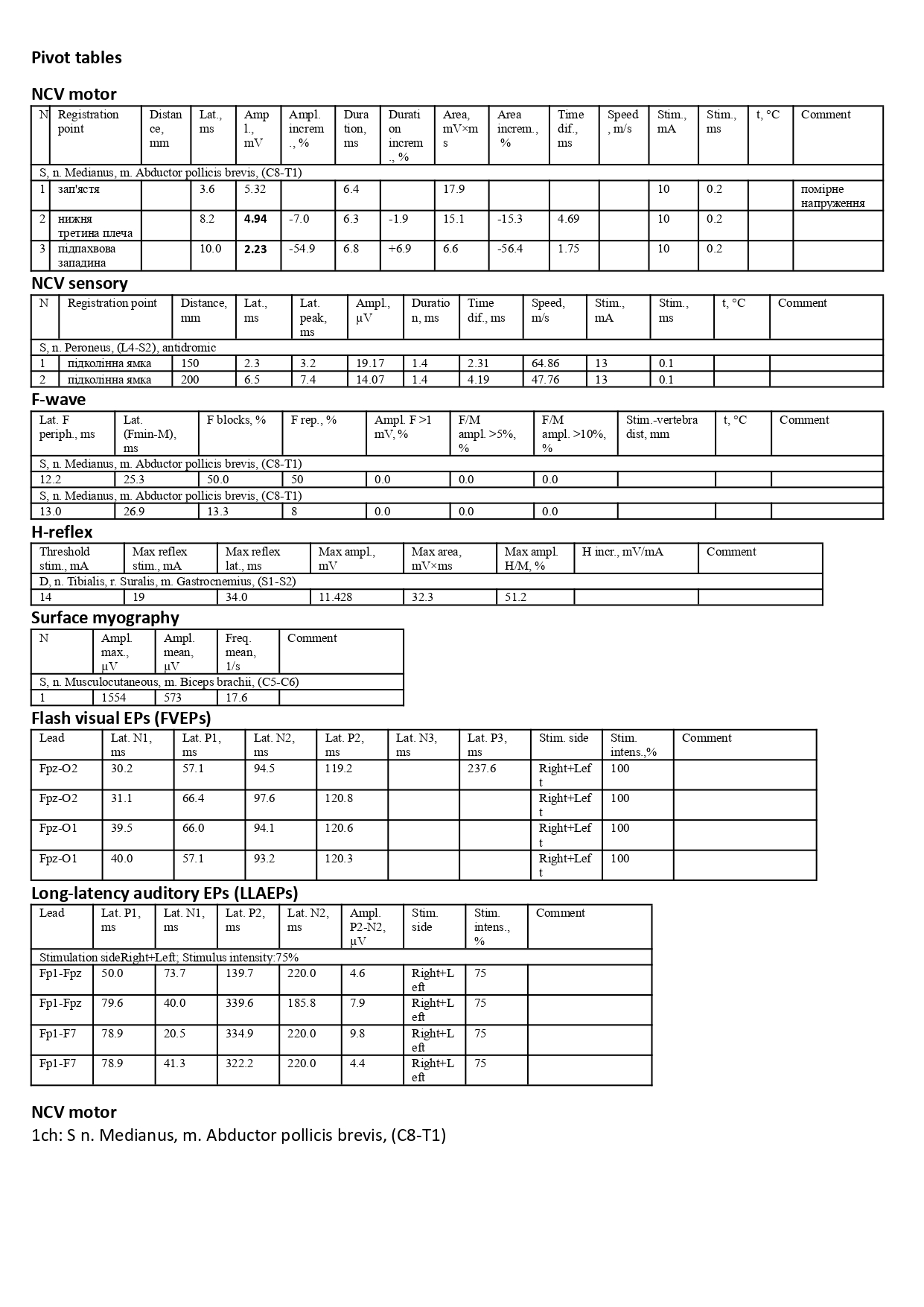
To optimize the preparation of medical documentation, report generation is highly automated. Examination results can be printed, saved in digital format, or transmitted via email or local network.
Mathematical and statistical processing of electromyograms is automatically presented in a format suitable for clinical inerpretation and report conclusions.
The software also supports exporting and importing all electromyographic examination data, enabling further information exchange with other specialists for clinical practice or scientific research.